Eldegarde: How to Build the Perfect Early-Game Strategy and Avoid Common Progression Mistakes
Introduction
Eldegarde presents itself as a fantasy adventure filled with exploration, combat, and character progression, but beneath its visual style lies a system that heavily rewards planning and efficiency. While many players focus immediately on combat strength or rare equipment, the true challenge of the game often appears much earlier. The opening hours determine how smoothly the rest of the experience unfolds.
A weak beginning in Eldegarde can create long-term problems. Poor resource management, inefficient upgrades, and rushed exploration often leave players underpowered during critical sections of the game. Meanwhile, experienced players understand that the early game is less about rushing forward and more about creating a stable progression path.
This guide focuses specifically on how to build the perfect early-game strategy in Eldegarde while avoiding the progression mistakes that trap many new players. Instead of offering general advice, it examines the systems and decisions that create consistent long-term success.

1. Understanding the Purpose of the Early Game
Many players approach the beginning of Eldegarde with the mindset that progression is about leveling up as quickly as possible. While experience gain is important, the early game serves a much broader purpose.
The opening phase is designed to teach players how the world functions. Resource collection, combat pacing, exploration habits, and upgrade priorities all become critical foundations for later progression. Players who rush through this stage often miss systems that become essential later.
The early game is therefore less about speed and more about preparation. Building strong habits early creates smoother progression and reduces frustration during more difficult encounters.
2. Prioritizing Survival Over Damage
One of the most common mistakes in Eldegarde is focusing entirely on offensive power during the early stages. New players frequently invest heavily into damage upgrades while neglecting survivability.
Although high damage can make weaker enemies easier to defeat, it does not compensate for poor positioning or limited endurance. As enemy difficulty increases, fragile builds often collapse under sustained pressure.
A balanced approach creates far greater consistency. Investing in defensive options, stamina management, or healing efficiency allows players to survive longer encounters and recover from mistakes more effectively.
3. Managing Resources Efficiently
Resources in Eldegarde are limited during the early game, making every decision more impactful. Currency, crafting materials, and upgrade items should not be spent impulsively.
Many players waste valuable resources on temporary upgrades that quickly become obsolete. This creates progression bottlenecks later when stronger equipment or important systems become available.
Efficient players treat resources as long-term investments. Instead of upgrading everything immediately, they focus on versatile improvements that provide consistent value across multiple stages of the game.
4. Learning Enemy Patterns Instead of Forcing Combat
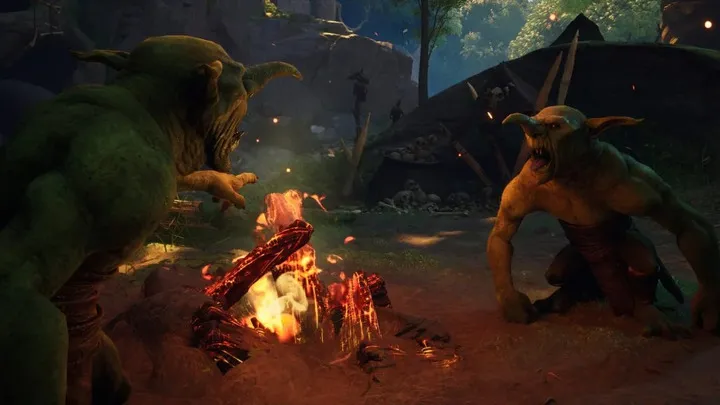
Combat in Eldegarde rewards patience more than aggression. Players who attempt to overpower enemies without understanding their behavior often take unnecessary damage and consume valuable resources.
Every enemy type follows recognizable patterns. Attack timing, movement behavior, and recovery windows all provide opportunities for efficient counterplay. Learning these patterns reduces the need for excessive healing and creates safer encounters.
This approach transforms combat from chaotic action into controlled decision-making. Victory becomes less dependent on raw stats and more dependent on awareness and timing.
5. Building a Sustainable Exploration Route
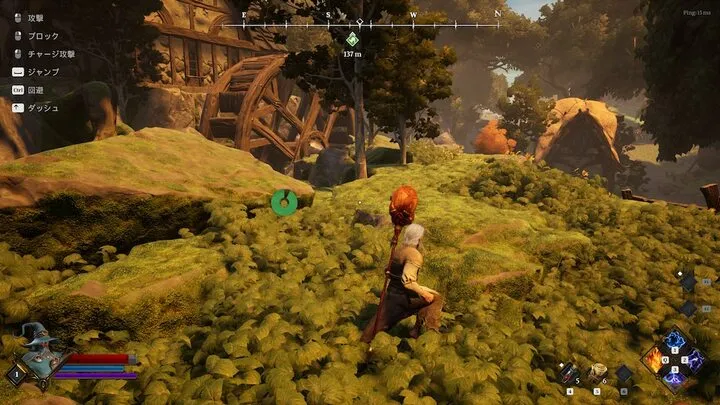
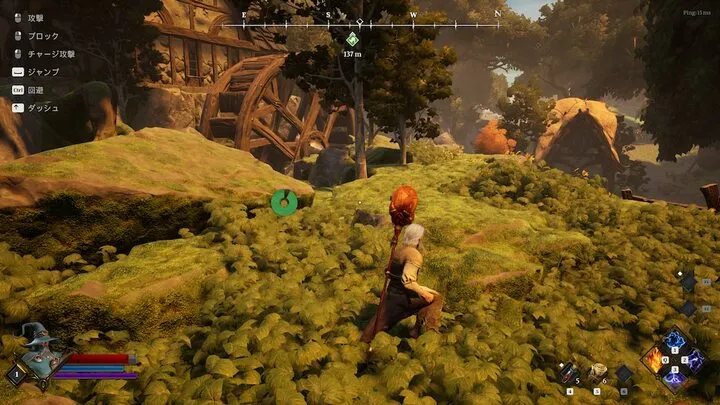
Exploration is one of Eldegarde’s most rewarding systems, but reckless wandering can easily lead players into dangerous areas before they are prepared.
Experienced players gradually expand outward from safe zones instead of rushing toward unknown regions. This method allows them to collect resources consistently while reducing the risk of sudden difficulty spikes.
A sustainable exploration route also improves efficiency. Players begin recognizing shortcuts, resource locations, and safe recovery areas, creating smoother movement throughout the world.
6. Understanding Equipment Synergy Early
Equipment in Eldegarde is not simply about rarity or raw numbers. Different items interact with playstyles and abilities in ways that significantly affect performance.
New players often equip stronger-looking gear without considering how well it complements their current build. This can create inefficient setups that consume too much stamina or weaken defensive balance.
Strong progression comes from synergy rather than isolated upgrades. Equipment should support your preferred combat rhythm instead of disrupting it.
7. Avoiding Overcommitment to One Build
Another major early-game mistake is locking into a highly specialized build too quickly. Players often commit all resources into one strategy before fully understanding the game’s systems.
This becomes problematic when later enemies or mechanics counter that approach. Without flexibility, players struggle to adapt and may require excessive grinding to recover.
Keeping progression balanced during the early game creates adaptability. Flexible builds allow players to experiment and adjust without sacrificing efficiency.
8. Recognizing the Importance of Timing
Timing affects nearly every aspect of Eldegarde. Combat timing determines survivability, while exploration timing influences risk and reward.
Players who move too aggressively often trigger multiple threats simultaneously, overwhelming themselves unnecessarily. Meanwhile, overly passive players may waste opportunities or slow progression significantly.
The key is rhythm. Successful players learn when to advance, when to retreat, and when to conserve resources. This sense of pacing creates stability and prevents avoidable mistakes.

9. Turning Knowledge into Consistent Progression
As players spend more time in Eldegarde, knowledge gradually becomes more valuable than equipment. Understanding enemy behavior, map layouts, and system interactions creates smoother progression than raw grinding alone.
This is why experienced players often advance faster despite using fewer resources. Their decisions become more efficient because they understand the game’s structure.
Consistency emerges from this understanding. Instead of relying on luck or overpowering enemies, players progress through informed decision-making.
10. Preparing for Mid-Game Difficulty Spikes
The transition into the mid game is where many early mistakes become visible. Players who ignored survivability, wasted resources, or rushed progression often struggle heavily during this phase.
Preparation is therefore essential. Before advancing, players should ensure their build is balanced, their resources are stable, and their understanding of core mechanics is solid.
A strong early foundation transforms the mid game from a frustrating obstacle into a natural progression step. Preparation creates confidence, and confidence creates momentum.
Conclusion
Mastering the early game in Eldegarde requires patience, planning, and disciplined decision-making. While the temptation to rush progression or maximize damage may seem appealing, the game consistently rewards players who build stable foundations instead.
By focusing on survivability, efficient resource management, adaptable builds, and controlled exploration, players can avoid the progression traps that hinder many beginners. Eldegarde is ultimately a game about understanding systems and developing consistency over time.
The players who succeed are not necessarily the fastest or most aggressive. They are the ones who learn how to progress intelligently and prepare for the challenges ahead long before those challenges appear.