The Hidden Collapse of Team Coordination in PEAK: Why Most Players Fail Before the Summit
The Hidden Collapse of Team Coordination in PEAK: Why Most Players Fail Before the Summit
Introduction
PEAK is often described as a chaotic cooperative climbing game where teamwork, timing, and precision determine success. On the surface, failure seems to come from obvious causes—slippery surfaces, missed jumps, or poor timing. However, beneath these visible mistakes lies a deeper and more critical issue: the breakdown of team coordination.
Unlike traditional co-op games that provide structured roles or communication systems, PEAK forces players into a shared physical challenge without clearly defined responsibilities. This design creates a fragile dependency between players, where one small misalignment can cascade into total failure. This article explores how coordination collapses over time, why it happens, and how it fundamentally shapes the PEAK experience.
1. The Illusion of Simple Cooperation
At the beginning, PEAK appears straightforward. Players believe that as long as everyone climbs carefully, success is guaranteed.
Early Misconceptions
Most new players assume:
- Climbing skill is the main factor
- Everyone can act independently
- Mistakes are isolated
Reality Check
In reality, PEAK is not about individual skill—it is about synchronization. Every movement affects the entire team.
Key Insight
- One player’s mistake changes the environment for others
- Timing is shared, not individual
- Success depends on collective rhythm
This misunderstanding sets the stage for later failures.
2. The First Fracture: Desynchronization
As the climb progresses, small timing differences begin to appear.
What is Desynchronization?
Desynchronization happens when players:
- Move at different speeds
- Jump at different times
- Misread each other’s intentions
Early Warning Signs
Indicators
- Players waiting too long
- Overlapping movements
- Hesitation before jumps
These issues seem minor but quickly compound into larger problems.
3. Communication Breakdown Under Pressure
Lack of Built-In Communication
PEAK does not enforce structured communication, leaving players to rely on:
- Voice chat (if available)
- Assumptions
- Visual cues
The Problem
Under pressure, communication becomes:
- Delayed
- Confusing
- Incomplete
Example Scenario
- One player says “go” too late
- Another misinterprets timing
- Both move incorrectly
This leads to immediate failure, even if both players are skilled.
4. The Domino Effect of Mistakes
Why One Error is Enough
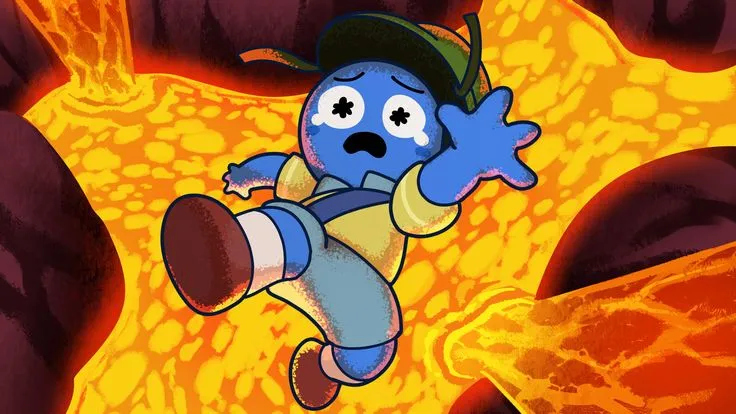
In PEAK, mistakes are not isolated—they propagate.
Chain Reaction
Typical Failure Chain
- One player slips
- Another tries to compensate
- Timing is disrupted
- Entire team falls
System Fragility
The game design amplifies small errors into catastrophic outcomes, making coordination absolutely critical.
5. Overcorrection: The Silent Killer
After a mistake, players often try to “fix” the situation.
What is Overcorrection?
Overcorrection occurs when players:
- React too quickly
- Change strategy mid-action
- Ignore team rhythm
Consequences
Common Results
- Conflicting movements
- Loss of synchronization
- Increased tension
Instead of solving the problem, overcorrection worsens it.
6. Role Ambiguity and Its Consequences
No Defined Roles
Unlike other co-op games, PEAK does not assign roles such as:
- Leader
- Support
- Anchor
Why This Matters
Without roles:
- Everyone tries to lead
- No one follows consistently
- Decisions conflict
Result
Chaos replaces coordination, especially in difficult sections.
7. Mental Fatigue and Decision Decline
The Cognitive Load
Climbing in PEAK requires constant:
- Timing decisions
- Spatial awareness
- Team observation
Fatigue Effects
As players continue:
- Reaction time slows
- Communication weakens
- Mistakes increase
Key Observation
Fatigue doesn’t just affect individuals—it disrupts the entire team dynamic.
8. Trust Erosion Between Players
The Psychological Shift
After repeated failures, players begin to lose trust in each other.
Signs of Trust Breakdown
Behavioral Changes
- Hesitation to act
- Blaming teammates
- Playing more cautiously
Impact on Gameplay
Ironically, caution often leads to worse outcomes:
- Delayed actions
- Missed timing windows
- Increased desynchronization
9. Late-Game Pressure and Collapse
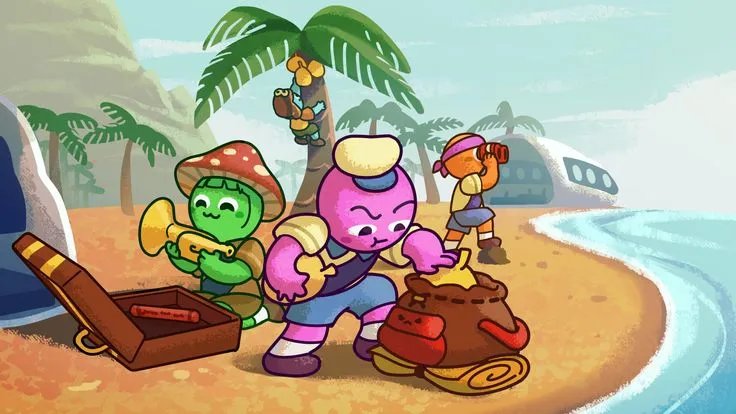
Increased Difficulty
As players approach the summit, challenges become more demanding.
Compounding Problems
At this stage:
- Fatigue is high
- Trust is low
- Coordination is fragile
Result
Even small mistakes lead to complete collapse, often just before success.
10. Why Practice Alone Doesn’t Fix the Problem
The Common Approach
Players often try to improve by:
- Practicing mechanics
- Memorizing routes
- Playing more
The Flaw
These methods focus on individual skill, not team coordination.
Real Solution
- Practice timing together
- Develop shared rhythms
- Improve communication
Without addressing coordination, improvement is limited.
11. Rebuilding Coordination: Practical Solutions
Establishing Team Rhythm
Teams should:
- Move in consistent patterns
- Use clear timing signals
- Avoid sudden changes
Creating Roles
Suggested Roles
- Leader: sets timing
- Follower: mirrors actions
- Stabilizer: maintains consistency
Communication System
Simple Rules
- Use short commands
- Confirm actions
- Avoid overlapping instructions
These strategies significantly improve success rates.
12. Redefining Success in PEAK
Beyond Reaching the Summit
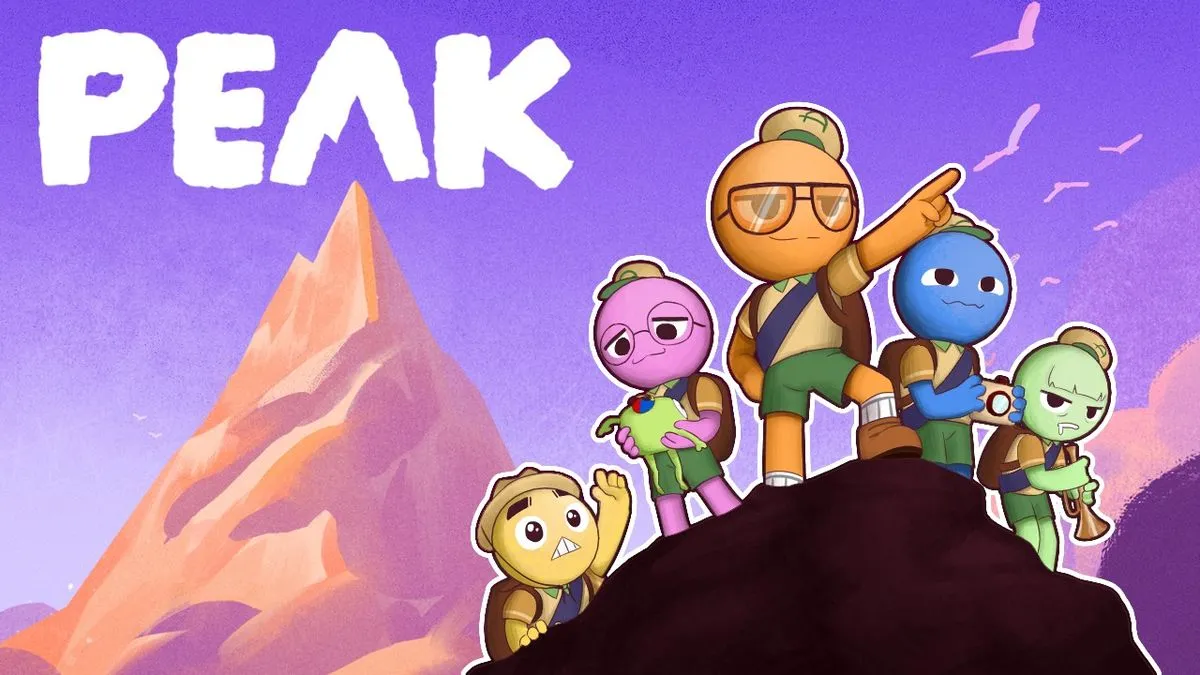
Success in PEAK is not just about finishing—it’s about mastering coordination.
A New Perspective
Players should focus on:
- Team synchronization
- Consistent execution
- Shared understanding
Long-Term Benefit
This approach transforms frustration into a rewarding cooperative experience.
Conclusion
PEAK is not merely a climbing game—it is a test of human coordination under pressure. While players often blame mechanical difficulty for failure, the real challenge lies in maintaining synchronization, communication, and trust within a team.
The game’s design intentionally removes structured guidance, forcing players to create their own systems of cooperation. This makes every success meaningful but also makes failure inevitable without proper coordination.
By understanding the hidden dynamics of desynchronization, communication breakdown, and trust erosion, players can approach PEAK with a new mindset. Instead of climbing harder, they can climb smarter—together.
Summary (110 characters)
PEAK failures stem from team desync, not skill—master timing, trust, and coordination to reach the summit.