Ultimate Tips & Guides for Building the Perfect Island in Animal Crossing: New Horizons
Introduction
Animal Crossing: New Horizons became one of the most beloved life simulation games in the world because it offers players freedom, creativity, relaxation, and long-term progression. Unlike competitive games that focus on fast reflexes or ranked systems, Animal Crossing encourages players to build a peaceful island life at their own pace. From decorating homes and collecting furniture to terraforming landscapes and building relationships with villagers, the game provides endless opportunities for creativity.
However, many new players quickly discover that creating a beautiful and efficient island is more complicated than it first appears. Poor planning can lead to cluttered layouts, limited resources, slow progression, and frustration during later stages of development. Players often spend hundreds of hours redesigning areas because they lacked a long-term strategy early on.
This guide explores advanced tips and practical strategies for building a successful island in Animal Crossing: New Horizons. The focus is not only on aesthetics but also on efficiency, progression, organization, and creating a sustainable island that remains enjoyable long after the early game ends.
Start With a Smart Island Layout
Your Initial Choice Matters More Than You Think
One of the most important decisions in Animal Crossing: New Horizons happens before gameplay truly begins: selecting your island map. Many players rush this process because they assume terraforming later will solve every issue.
In reality, certain features cannot be changed permanently, including river mouths, airport color, resident services location, and beach formations.
Think Long-Term Before Choosing
A layout that feels acceptable early may become frustrating later once large-scale construction begins.
Important Features to Evaluate
- Distance between airport and Resident Services
- River mouth placement
- Peninsula size
- Secret beach accessibility
- Large flat building areas
Choosing wisely early saves massive redesign effort later.
Prioritize Resource Collection Every Day
Daily Habits Build Long-Term Wealth
Many players underestimate how important consistent resource gathering becomes over time. Materials that seem abundant early may become scarce during major construction projects.
Wood, iron nuggets, stone, clay, and bells are constantly required throughout progression.
Build an Efficient Farming Routine
Developing a short daily routine creates stable progression without overwhelming the player.
Recommended Daily Tasks
- Hit all rocks
- Shake trees carefully
- Collect fossils
- Dig glowing spots
- Check the beach for DIY bottles
- Harvest crafting materials
Consistency matters more than grinding for long sessions.
Learn How to Earn Bells Efficiently
Money Controls Expansion
Bells influence nearly every major progression system in the game. House upgrades, bridges, inclines, decorations, and infrastructure all require large investments.
Poor financial planning slows island development dramatically.
Focus on Reliable Income Sources
Some activities provide more stable profits than others.
Strong Early-Game Money Methods
- Fishing valuable species
- Catching rare bugs
- Selling foreign fruit
- Fossil collection
- Money tree planting
Mid-Game Profit Strategies
- Turnip trading
- Deep-sea diving
- Crafting valuable furniture
- Seasonal item farming
- Tarantula and scorpion hunting
Efficient income allows faster creative freedom later.
Design Your Island Before Terraforming
Avoid Random Construction
Terraforming is one of the most powerful features in Animal Crossing: New Horizons, but many players begin altering terrain without a clear vision.
This often creates awkward layouts that require complete rebuilding later.
Plan in Sections
Instead of redesigning the entire island at once, divide it into manageable districts.
Popular Island Zones
- Residential neighborhoods
- Shopping districts
- Natural forests
- Farming areas
- Parks and recreation spaces
- Museum entrances
Planning beforehand reduces wasted effort and improves visual consistency.
Build Strong Relationships With Villagers
Villagers Influence the Island Experience
Villagers are more than decorative NPCs. They shape the atmosphere of the island and contribute to emotional attachment over time.
Many players regret ignoring villager interactions early in the game.
Friendship Creates Rewards
Increasing friendship levels unlocks gifts, reactions, photos, and unique interactions.
Ways to Increase Friendship
- Talk daily
- Give wrapped gifts
- Complete requests
- Send letters
- Attend events together
Consistent interaction creates a more engaging island environment.
Master Inventory and Storage Management
Clutter Slows Progression
As collections grow larger, many players struggle with storage organization. Materials, furniture, clothing, recipes, and seasonal items can quickly overwhelm available space.
Poor organization wastes time constantly searching for items.
Create Organizational Systems Early
Simple categorization strategies make long-term management significantly easier.
Useful Storage Categories
- Crafting materials
- Seasonal decorations
- Clothing collections
- Tools and equipment
- Rare collectibles
- Terraforming supplies
Efficient storage systems reduce frustration dramatically.
Use Seasonal Events Strategically
Events Offer Exclusive Rewards
Animal Crossing operates in real time, meaning seasonal events provide limited-time opportunities throughout the year.
Players who ignore events may permanently miss unique items until the next season.
Prepare Before Events Begin
Some seasonal content requires advance preparation to maximize rewards.
Valuable Seasonal Activities
- Fishing tournaments
- Bug-Off competitions
- Holiday crafting
- Cherry blossom collection
- Mushroom gathering
- Snowflake farming
Participating consistently expands customization possibilities significantly.
Improve Your Island Rating Efficiently
The Five-Star System Matters
Island ratings unlock major rewards and symbolize long-term progression. However, many players misunderstand how ratings actually work.
The system evaluates several hidden factors simultaneously.
Balance Nature and Development
Too much clutter or insufficient decoration can reduce ratings.
Factors That Improve Ratings
- Furniture placement
- Fencing
- Flowers and trees
- Bridges and inclines
- Villager population
- Cleanliness
Creating balance is more important than simply adding random objects.
Create Areas That Feel Lived In
Decoration Alone Is Not Enough
Some islands appear visually impressive in screenshots but feel empty during actual gameplay.
Strong island design creates immersion and storytelling.
Think About Functionality
Areas should appear believable and connected to island life.
Ideas for Realistic Spaces
- Outdoor cafes
- Reading gardens
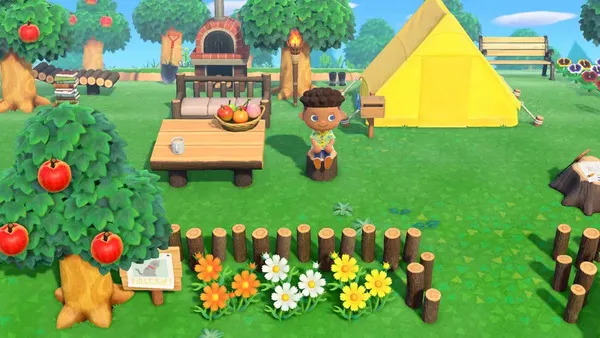
- Campsites
- Market streets
- Fishing docks
- School playgrounds
Functional environments make exploration more enjoyable.
Avoid Burnout and Enjoy Long-Term Progression
Perfection Can Become Stressful
Many players compare their islands to highly curated online designs and become discouraged. This often transforms a relaxing game into a stressful creative competition.
Animal Crossing is designed for gradual enjoyment, not rushed perfection.
Build at Your Own Pace
The most satisfying islands usually evolve naturally over time rather than appearing instantly complete.
Healthy Long-Term Habits
- Focus on one project at a time
- Take breaks from redesigning
- Experiment creatively
- Accept imperfections
- Enjoy daily routines
Sustainable enjoyment matters more than immediate perfection.
Conclusion
Animal Crossing: New Horizons offers far more depth than a simple life simulation game. Beneath its relaxing atmosphere lies a complex system of progression, creativity, resource management, social interaction, and long-term planning. Players who approach island development thoughtfully often enjoy a far more rewarding experience over time.
From choosing the right island layout and building efficient daily routines to mastering terraforming and maintaining strong villager relationships, every decision contributes to the island’s long-term identity. Financial planning, seasonal participation, organization, and realistic design principles further improve both gameplay efficiency and overall enjoyment.
Perhaps the most important lesson is that there is no single “perfect” island. The best islands reflect the personality, creativity, and priorities of the player rather than blindly copying trends online. Animal Crossing succeeds because it encourages self-expression and slow, satisfying progression instead of constant pressure.
By following the strategies outlined in this guide, players can create islands that are not only beautiful but also functional, immersive, and enjoyable for hundreds of hours.