

For more than a decade, League of Legends has remained one of the most influential titles in the world of competitive gaming. Developed by Riot Games, it has grown far beyond its origins as a multiplayer online battle arena game.
In 2026, League of Legends is not just a game—it is a global esport, a cultural platform, and a constantly evolving ecosystem that continues to attract millions of players daily.
Summoner’s Rift: A Map That Never Stands Still
At the center of League of Legends is Summoner’s Rift, a map that has remained familiar yet constantly evolving. While its core structure stays intact, regular updates ensure that gameplay never becomes stagnant.
Balance changes, new objectives, and seasonal updates reshape strategies and force players to adapt. This dynamic environment is one of the key reasons why the game has maintained its competitive edge over the years.
The Meta: A Living Strategy System
One of the defining aspects of League of Legends is its “meta,” or most effective tactics available. Unlike static games, the meta in League of Legends shifts frequently due to updates and balance adjustments.
Players must continuously learn and adapt, experimenting with new champions, builds, and strategies. This constant evolution keeps the gameplay fresh and rewards those who stay engaged with the game’s systems.
Champions and Identity
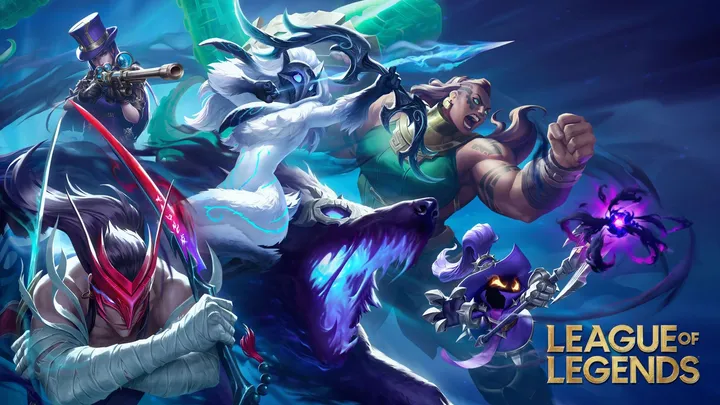
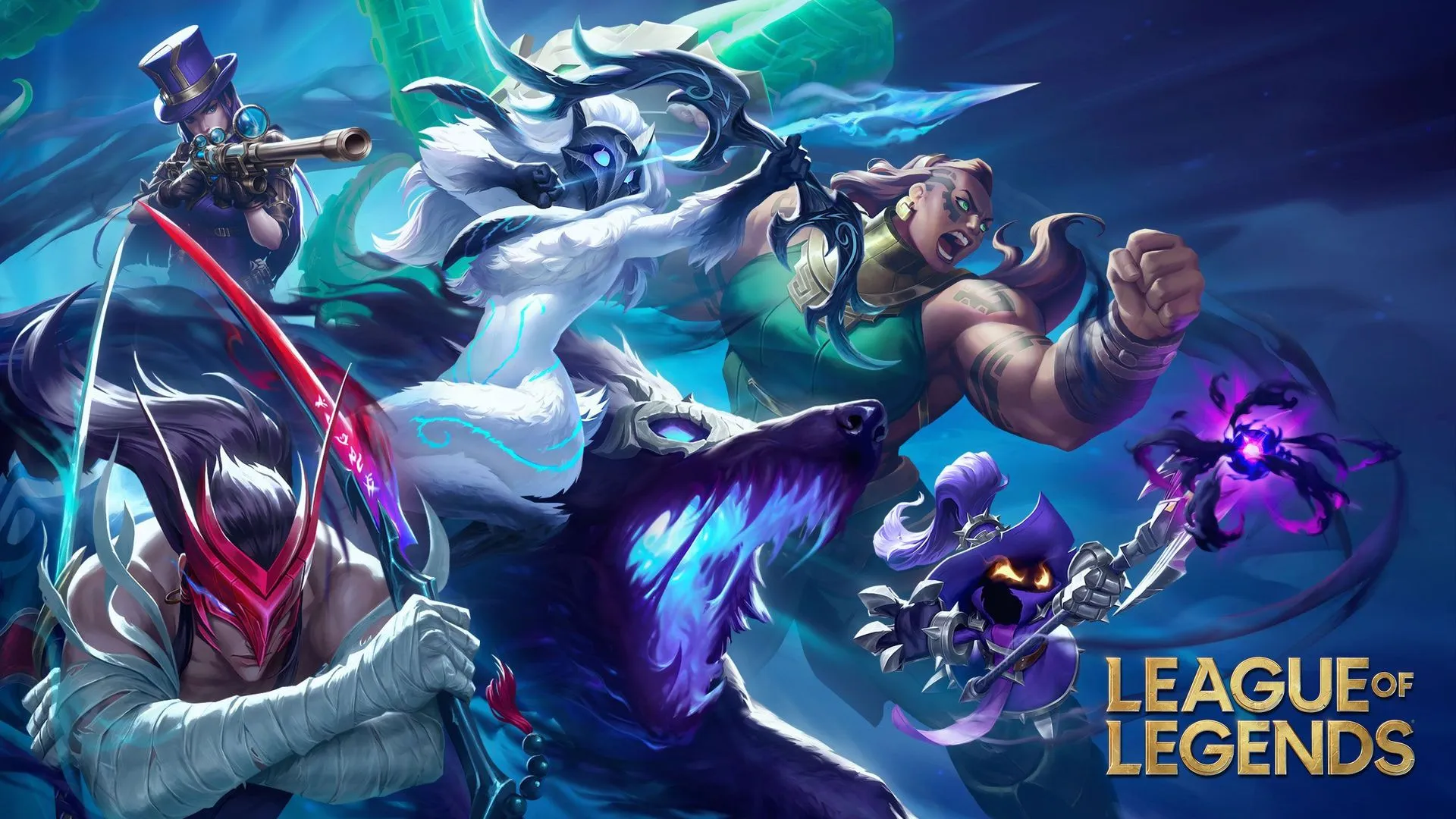
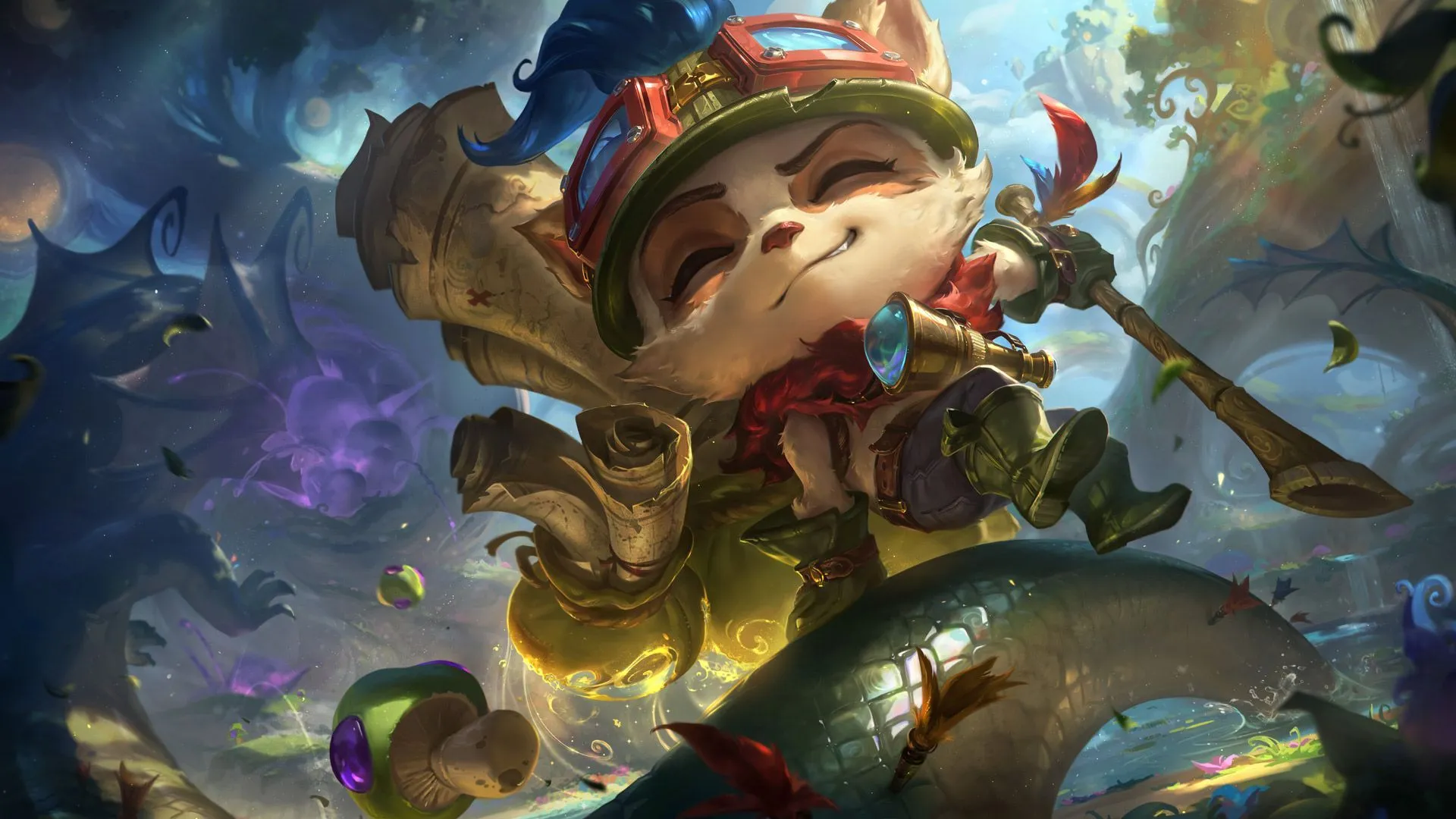
League of Legends features a diverse roster of champions, each with unique abilities and playstyles. Players often form strong connections with their preferred champions, developing a sense of identity within the game.
These champions are more than just gameplay tools—they are characters with stories, personalities, and roles within the broader universe. This combination of gameplay and narrative depth enhances player engagement.
The Global Esports Phenomenon
League of Legends is one of the pillars of modern esports. International tournaments attract millions of viewers, turning top players into global icons.
Events like the World Championship showcase the highest level of competition, where teams from different regions compete for prestige and recognition. These events are not just competitions—they are global spectacles that unite the gaming community.
A Community That Shapes the Game
The League of Legends community plays a major role in its longevity. Discussions, content creation, and fan engagement continuously shape how the game evolves.
From strategy guides to highlight clips, the community contributes to a shared knowledge base that helps both new and experienced players improve. This collaborative environment strengthens the overall ecosystem.
Balancing Accessibility and Complexity
One of the challenges League of Legends has faced is balancing accessibility for new players with depth for veterans. While the game can be difficult to master, ongoing improvements aim to make it more approachable.
Tutorial systems, interface updates, and new player experiences have been introduced to reduce the learning curve without sacrificing the strategic depth that defines the game.
Conclusion: A Lasting Legacy in Competitive Gaming
League of Legends continues to stand as a benchmark for competitive online games. Its combination of strategic depth, constant updates, and a thriving esports scene ensures that it remains relevant in 2026.
As the gaming industry evolves, League of Legends demonstrates that long-term success comes from continuous innovation and strong community engagement. For millions of players around the world, it is more than just a game—it is a constantly evolving competitive experience.